
Import guide · East Africa
Shipping to Kenya: the Mombasa route, explained.
Kenya takes the largest share of East African container trade through the Port of Mombasa, with JKIA Nairobi handling time-critical air cargo. This guide covers sea and air options, KRA customs, KEBS standards, and what it takes to move a shipment from your warehouse to final delivery.
01
Entry points
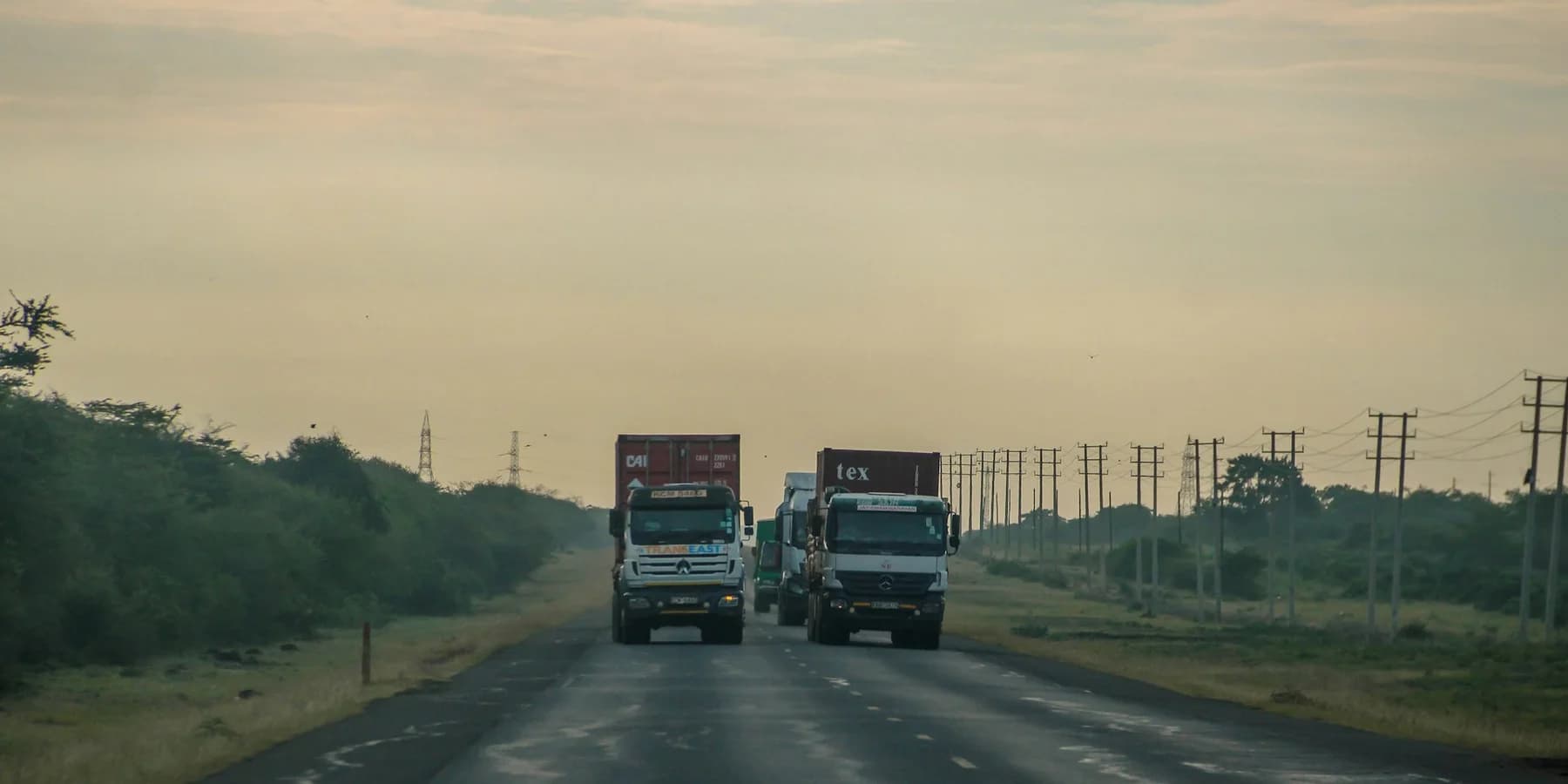
Almost all containerised imports enter through Mombasa, then move inland on the Northern Corridor toward Nairobi and onward to Uganda, Rwanda, and the eastern DRC. Air cargo flies into JKIA.
- Port of Mombasa
- The sea gateway for over nine in ten of Kenya's containers. Asia origins land in roughly 14 to 20 days, European origins in 24 to 32 days.
- JKIA Nairobi
- The air option for pharma, perishables, samples, and e-commerce stock. Major hubs connect within 1 to 3 days.
- Northern Corridor
- Road and rail link from Mombasa to Nairobi and the landlocked markets. We can quote door delivery on the same booking as the sea leg.
02
Choosing between FCL and LCL
Volumes up to about 10 cubic metres usually travel cheaper as LCL in a shared container. Above 15 cubic metres an own-container FCL booking almost always wins, and it removes the CFS handling steps that slow releases. Reefer, dangerous goods, and oversized cargo must travel FCL or on specialised equipment.
03
Customs and standards in Kenya
The Kenya Revenue Authority processes entries through iCMS, and your consignee needs a KRA PIN before goods arrive. Regulated products must meet KEBS standards, with conformity assessment done before shipment leaves origin. VAT applies at import, and specific permits apply to food, telecom, and chemical lines.
04
How Ekutano handles the move
We book the sailing or flight, assemble the document set, and hand your Kenyan agent a file that is already checked at origin. Our Toamasina desk clears the mirror movements into Madagascar, and Vohitra keeps both sides on one status view.
FAQ
Questions we get.
- How long does shipping to Kenya take?
- From Shanghai or Ningbo to Mombasa, plan on 14 to 20 days port to port. From Antwerp or Le Havre, 24 to 32 days. Add 3 to 7 days for inland delivery to Nairobi.
- Which documents does a Kenya import need?
- Commercial invoice, packing list, bill of lading or air waybill, the KRA PIN of the consignee, import declaration filed in iCMS, and conformity documents for KEBS-regulated goods.
- Do I need the KRA PIN before loading?
- Yes. The PIN and importer record should be in place before the goods leave origin, because the entry cannot be lodged without them and detention costs start at demurrage.
- Does Ekutano clear and deliver inside Kenya?
- Yes. We work through a licensed Nairobi partner desk for customs and delivery, while you keep one point of contact and one Vohitra file covering origin, sailing, and destination.
The platform
Vohitra on the Kenya import corridor.
- Booking, documents, and clearance milestones from origin to Mombasa in one file.
- AI assistant trained on East African customs procedures, KEBS checks, and KRA entries.
- Your Kenyan consignee sees the same status you do, without email chasing.
Vohitra · live files
AI assistantAsk the Vohitra assistant which KEBS lines in your packing list need conformity documents before the container loads.
Planning a shipment into Kenya?
Send origin, HS lines, and volume. We come back with FCL and LCL options, a document checklist for KEBS and KRA, and transit you can plan around.